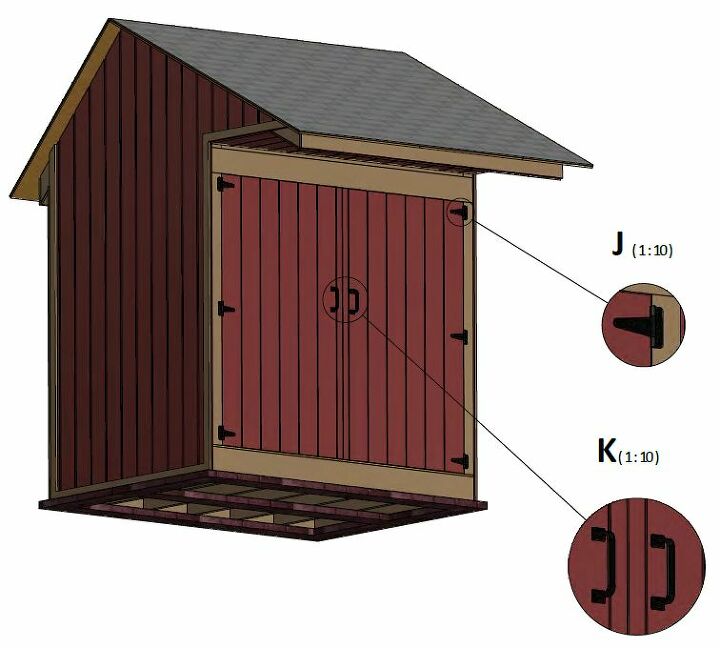
Materials and Step-by-Step Guide for Constructing a 6x8 Shed
This comprehensive guide details the materials required and the step-by-step process for building a 6x8 shed. The instructions are designed for those with basic carpentry skills. Always prioritize safety and refer to local building codes before commencing construction.
I. Foundation and Site Preparation
A solid foundation is paramount for a durable and long-lasting shed. The following materials are necessary for preparing the site and establishing a concrete slab foundation, a commonly preferred method for a 6x8 shed.
A. Site Preparation Materials:
- Measuring Tape: A high-quality, durable tape measure for accurate measurements.
- Shovel & Post Hole Digger: For excavating the foundation area.
- Level: A spirit level to ensure a perfectly level foundation.
- String Line & Stakes: To outline the perimeter of the foundation.
- Wheelbarrow: For transporting materials.
- Compactor (optional but recommended): To compact the soil for improved stability.
B. Concrete Foundation Materials:
- Gravel: Approximately 2 cubic yards for a 6x8 shed base, depending on soil conditions. This provides a base layer for drainage and stability.
- Concrete Mix: The quantity will depend on the desired slab thickness (typically 4 inches). Use a concrete calculator to determine the precise amount needed based on your dimensions.
- Rebar (optional but recommended): Reinforcing steel bars to enhance the strength of the concrete slab. Use 1/2 inch diameter rebar, spaced approximately 12 inches apart.
- Concrete Forms (or plywood): To contain the concrete while it sets. Plywood requires additional bracing.
- Concrete Mixer (optional): For larger projects, renting a concrete mixer significantly simplifies the process.
- Shovel & Trowel: For placing and smoothing the concrete.
II. Shed Frame Construction
The frame forms the structural backbone of the shed. Precise cutting and accurate assembly are crucial for a stable structure.
A. Lumber Materials:
- Pressure-Treated Lumber: Use 4x4 pressure-treated lumber for the foundation posts, and 2x4 pressure-treated lumber for the wall studs, rafters, and plates. The quantity will vary based on your design, but a detailed cut list is crucial.
- Plywood (for sheathing): Use exterior-grade plywood, typically ½ inch thick, for sheathing the walls and roof. Calculate the amount based on the shed dimensions.
- Metal Connectors: These are essential for joining lumber pieces securely and accurately. Choose high-quality connectors designed for outdoor use.
- Wood Screws & Nails: Appropriate lengths are crucial for securing the lumber and sheathing.
B. Tools for Frame Construction:
- Circular Saw or Hand Saw: For cutting the lumber to the required dimensions.
- Drill with various drill bits: For pilot holes and driving screws.
- Hammer: For nailing.
- Level: For ensuring the frame is square and plumb.
- Measuring Tape: For accurate measurements.
- Speed Square: A crucial tool for creating accurate 90-degree angles.
- Clamps: To hold the frame pieces together while securing them.
III. Roofing and Siding
The roofing and siding protect the shed from the elements. Selecting durable materials is essential for long-term protection.
A. Roofing Materials:
- Roofing Felt (underlayment): Provides a waterproof barrier beneath the roofing material.
- Asphalt Shingles or Metal Roofing: Choose a roofing material that suits your budget and aesthetic preferences. Calculate the amount needed based on the roof area.
- Roofing Nails: Specifically designed for securing shingles or metal roofing.
- Ridge Cap & Hip & Rake Flashing (if applicable): These ensure a weathertight seal at the edges of the roof.
B. Siding Materials:
- Vinyl Siding, Wood Siding, or Metal Siding: Choose your preferred siding material based on budget and aesthetic considerations. Calculate the amount needed based on the shed's wall area.
- Siding Nails or Screws: Appropriate fasteners for your chosen siding material.
- J-channel & Corner Trim: To finish the edges of the siding neatly and provide a weathertight seal.
C. Tools for Roofing and Siding:
- Hammer or Nail Gun: For securing the roofing and siding.
- Utility Knife: For cutting roofing felt and siding.
- Ladder: For safe access to the roof.
- Safety Gear: Safety glasses, gloves, and work boots are essential for protecting yourself from injury.
IV. Door and Window Installation (Optional)
Adding a door and window enhance the shed's functionality and provides ventilation.
A. Door and Window Materials:
- Exterior Door: Choose a durable door designed for outdoor use.
- Window: Select a weather-resistant window appropriate for the shed's size and location.
- Door and Window Hardware: Hinges, handles, and locks.
- Caulk & Sealant: To seal gaps and ensure weather tightness.
V. Final Touches
Once the structure is complete, add finishing touches to enhance its appearance and durability.
A. Finishing Materials:
- Exterior Paint or Stain (optional): Protect the wood from the elements and enhance the shed's appearance.
This comprehensive guide provides a solid foundation for building your 6x8 shed. Remember to meticulously follow safety procedures, consult local building codes, and adapt the materials list and steps to your specific design and preferences. Building a shed is a rewarding experience that can enhance the functionality and aesthetic appeal of your property.
0 comments:
Post a Comment
Note: Only a member of this blog may post a comment.