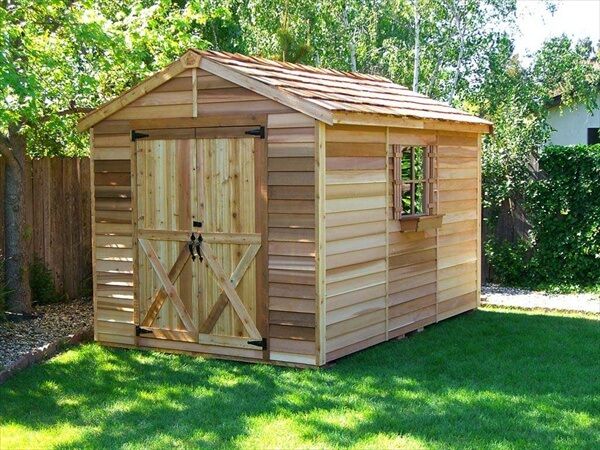
Free Pallet Shed Plans: Build a Reliable Storage Shed with Minimal Cost
Constructing a storage shed can be a significant undertaking, often involving substantial financial investment. However, resourceful individuals can leverage readily available and inexpensive materials to achieve the same result. This article provides detailed plans for building a reliable and durable storage shed utilizing reclaimed pallets, minimizing material costs while maximizing functionality.
Assessing Pallet Suitability and Acquisition
The foundation of this project rests upon the quality and quantity of reclaimed pallets. Careful selection and preparation are crucial for a structurally sound shed.
Identifying Suitable Pallets
Not all pallets are created equal. Prioritize pallets constructed from heat-treated lumber (HT), identifiable by the IPPC stamp. Avoid pallets showing significant signs of damage, such as rot, insect infestation, or extensive warping. The ideal pallet will exhibit sturdy construction and relatively clean lumber.
Sourcing Pallets
Several avenues exist for acquiring free or inexpensive pallets. Contact local businesses, such as grocery stores, hardware stores, and distribution centers. Many businesses are happy to dispose of their used pallets, and some may even deliver them to your location. Check online classifieds and community forums; individuals often give away pallets they no longer need.
Cleaning and Preparation
Once acquired, pallets require thorough cleaning and preparation. Remove any debris, nails, or staples that pose a safety risk. Inspect each board for damage and replace or repair any compromised sections. Consider using a wire brush to remove ingrained dirt and grime. Finally, apply a suitable wood preservative to protect against moisture damage and insect infestation.
Designing the Pallet Shed
This section details the design considerations for a basic pallet shed. Adaptations can be made based on individual needs and available space.
Dimensions and Layout
The dimensions of the shed are flexible, depending on your storage requirements and available space. A suggested starting point is a 8ft x 6ft structure, providing ample storage for various items. Consider the layout of interior shelving and the placement of a door for optimal access.
Foundation
A simple concrete slab provides a stable and level foundation. Alternatively, a gravel base topped with treated lumber creates a less expensive yet still robust foundation. Ensure the foundation is appropriately sized to support the shed's weight.
Framing and Walls
The shed's frame is constructed primarily from the pallet lumber. Disassemble the pallets carefully, retaining usable boards. Construct the frame using sturdy bracing techniques to ensure stability. The walls are then built by attaching the remaining pallet boards to the frame, leaving gaps for ventilation. Consider adding additional bracing for structural integrity.
Roofing
The roofing system can utilize salvaged materials, including corrugated metal sheeting or even more pallets. If using pallets for roofing, ensure proper waterproofing. For a more durable solution, purchase inexpensive roofing felt or tar paper. Consider the local climate when selecting roofing material. For areas with heavy snowfall, stronger roofing structures and materials are needed.
Door and Windows
A simple door frame can be constructed using more pallet lumber. Use salvaged or inexpensive materials for the door itself. Windows, if desired, can be constructed from salvaged materials, or purchased inexpensively. Consider the placement of door and windows for optimal ventilation and sunlight.
Construction Process: Step-by-Step Guide
This section provides a detailed step-by-step guide to constructing the pallet shed.
Step 1: Foundation Preparation
Prepare the chosen foundation. Level the ground, pour concrete (if using a concrete slab), or create a gravel base and lay down treated lumber supports.
Step 2: Frame Construction
Construct the frame using the reclaimed pallet lumber. Ensure all corners are square and securely fastened with appropriate screws or nails. Use bracing techniques to reinforce the structure.
Step 3: Wall Construction
Attach the remaining pallet boards to the frame, creating the shed's walls. Leave gaps for ventilation. Use screws or nails to secure the boards tightly.
Step 4: Roofing Installation
Install the chosen roofing material. If using pallets, ensure proper waterproofing and support structures. If using other materials, follow the manufacturer’s instructions.
Step 5: Door and Window Installation
Install the door and windows, ensuring a secure and weather-resistant seal.
Step 6: Finishing Touches
Apply a protective sealant or paint to the exterior of the shed to enhance durability and aesthetics. Consider adding shelving or other interior features as desired.
Safety Precautions
Safety is paramount during the construction process. Always wear appropriate safety gear, including safety glasses, gloves, and work boots. Use caution when handling power tools. Follow all manufacturer's instructions and guidelines.
Conclusion
Building a pallet shed offers a cost-effective and environmentally friendly solution for additional storage space. By following these detailed plans and prioritizing safety, you can construct a reliable and functional shed with minimal financial investment. Remember to adapt these plans to your specific needs and available resources. The ingenuity and resourcefulness invested in this project will yield a rewarding outcome.
0 comments:
Post a Comment
Note: Only a member of this blog may post a comment.