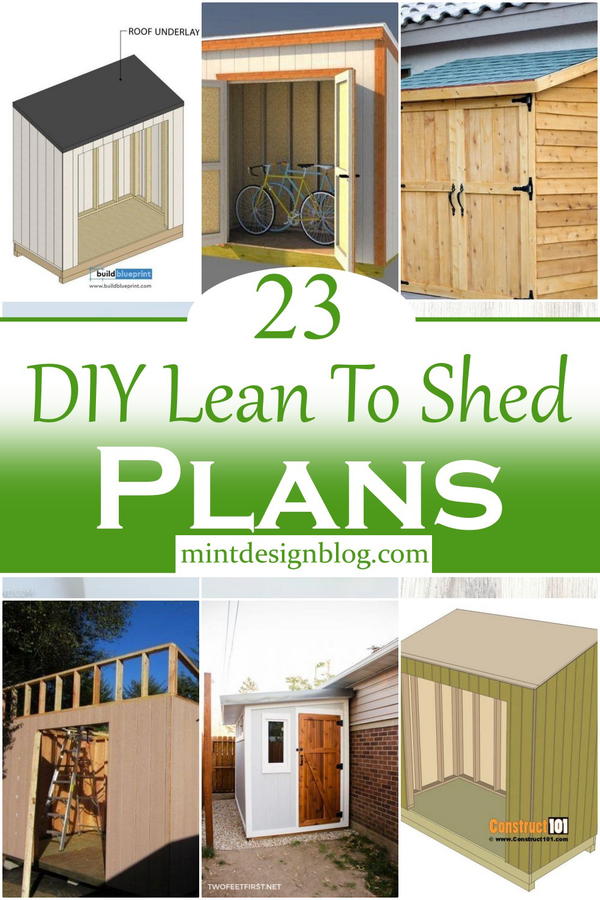
DIY Lean-To Shed: How to Build a Reliable Shed for Your Backyard
Tired of clutter piling up in your garage or overflowing from your storage unit? A lean-to shed offers a simple, affordable, and surprisingly spacious solution to your storage woes. This detailed guide walks you through building your own sturdy and reliable lean-to shed, transforming an unused wall into valuable outdoor storage. Get ready to reclaim your space and organize your belongings!
Planning Your Lean-To Shed
Before you grab a hammer, careful planning ensures a smooth build. First, choose your location carefully. Consider proximity to existing structures, access to utilities (if needed for future electricity or lighting), and sunlight exposure. Next, determine the size based on your storage needs. Remember to account for the space needed for opening doors and easy access to items. Finally, check local building codes and obtain any necessary permits. This seemingly tedious step prevents costly headaches down the line.
Essential Materials and Tools
Gather these supplies before you begin: pressure-treated lumber for the frame (4x4 posts, 2x4s, and 2x6s for rafters), roofing material (metal or asphalt shingles), plywood or OSB sheeting for the walls and roof cladding, screws, nails, concrete mix for the foundation, a post hole digger, a level, measuring tape, saw (circular saw recommended), drill, and safety glasses.
Foundation and Framing: The Shed's Backbone
Begin by digging holes for the foundation posts. The depth will depend on your local frost line; consult your building codes. Set the 4x4 posts in the holes, ensuring they are plumb (perfectly vertical) using a level. Fill the holes with concrete and allow ample time for it to cure completely. Once cured, attach the base plates (2x6s) to the posts using galvanized screws. These will serve as the foundation for your wall framing. Next, construct the wall frames using 2x4s, carefully measuring and cutting to size. Attach these frames to the base plates, ensuring squareness and stability using bracing. Finally, assemble the rafters and attach them to the top plates of the wall frames and the supporting wall of your house.
Sheathing, Roofing, and Finishing Touches
Once the framing is complete, attach the plywood or OSB sheeting to the walls and roof. Use appropriate fasteners and ensure a snug fit. This process provides a solid surface for your roofing material. Next, install your chosen roofing material following the manufacturer's instructions. Metal roofing offers durability and longevity, while asphalt shingles are a more affordable option. After the roof is securely in place, consider adding a door for easy access. You can purchase a pre-hung door or construct a simple frame and hang a door. Finally, apply a weather-resistant sealant around the edges of the roof and walls to prevent water damage.
Tips for Success
- Invest in quality materials for a longer-lasting shed.
- Take your time and ensure accuracy in measurements to avoid mistakes.
- Use appropriate safety gear throughout the entire building process.
- Consider adding shelves or other organizational features inside the shed.
- Paint or stain the shed to protect the wood and add aesthetic appeal.
Building your own lean-to shed is a rewarding project that significantly enhances your property. By following these steps and prioritizing careful planning and execution, you'll create a durable and useful addition to your backyard for years to come. Enjoy the satisfaction of a job well done and the added storage space you've created!
0 comments:
Post a Comment
Note: Only a member of this blog may post a comment.